

The Day I Stopped Saying 'Hurry Up' to My Boys — And What Changed
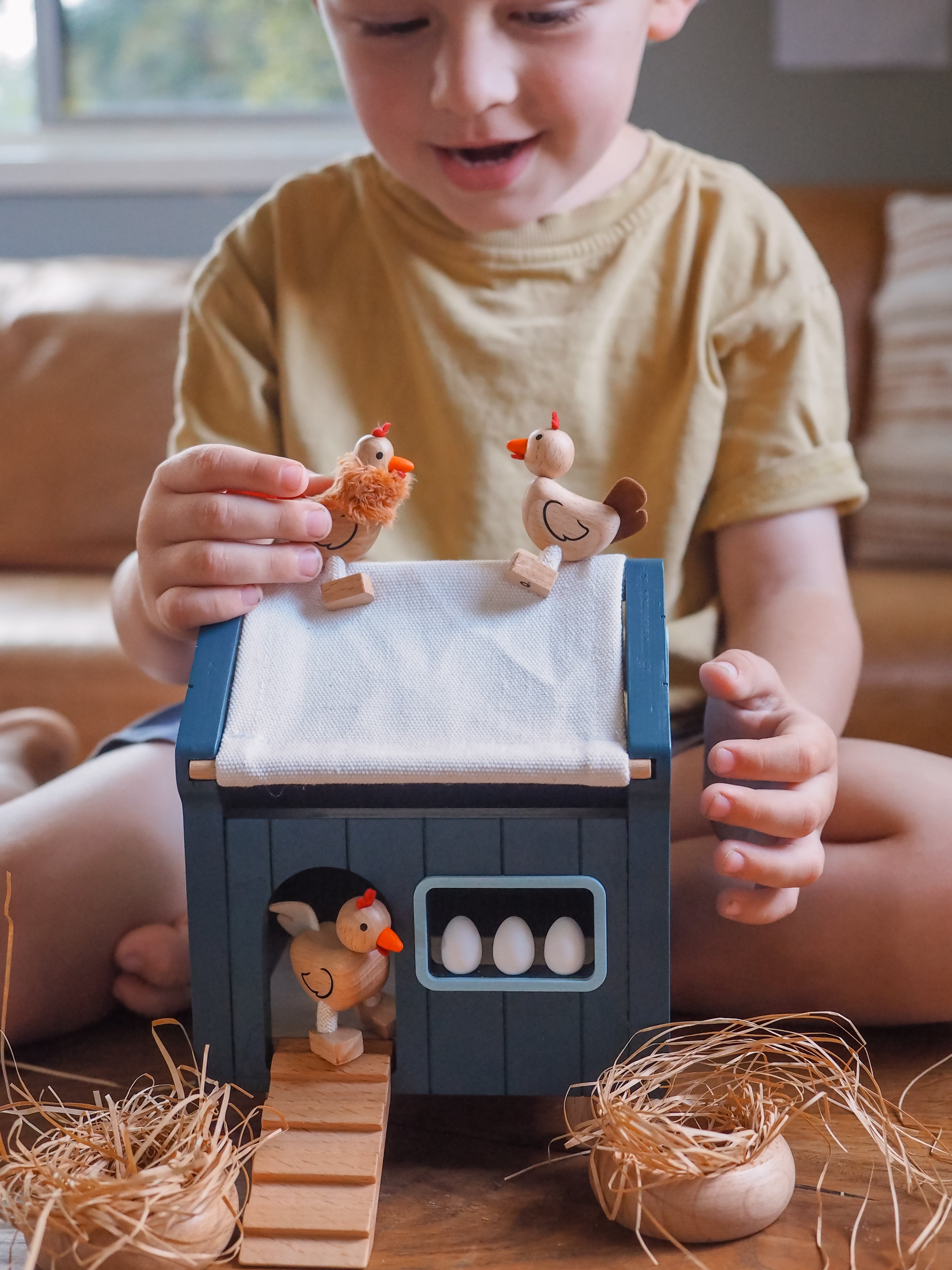
It happened on a Tuesday morning.
We were running late — again. Shoes were missing, the toast was too hot, and I could feel the familiar tightness rising in my chest. And then I heard myself say it, for what felt like the hundredth time that week:
"Hurry up. Come on. We're going to be late."
My youngest looked up at me. Not with urgency. Not with speed. Just with those big, still eyes that seemed to ask:
Why are we always rushing?
And I didn't have a good answer.
The Constant Rush of Modern Parenting
We live in a hurried world. Morning routines are timed to the minute. After-school activities stack on top of each other. Even weekends can feel like a schedule to be managed rather than a life to be lived.
And our children feel it — even when they don't have the words for it.
Research from the American Psychological Association has found that children as young as three absorb the stress of their caregivers. When we are tense, rushed, and distracted, they feel it in their bodies — not just in the words we say.
Hurry up isn't just a phrase. It's a signal. It says: what is happening right now doesn't matter. Where we're going matters more.
What Happened When I Stopped
I didn't stop overnight. It was a slow, conscious shift — more of an intention than a transformation.
But I started noticing things I'd been too rushed to see.
I noticed that my younger one stops at every interesting thing on the footpath — not because he's being difficult, but because the world is genuinely fascinating to him. My older boy used to narrate everything he did as he did it — a running commentary I used to shush in the name of efficiency.
When I stopped rushing them, they didn't slow down the whole world. They slowed down just enough to remind me that I was missing it.
What the Research Says About Slowing Down
Dr. Stuart Brown, founder of the National Institute for Play, has spent decades studying what happens when children are given time — unhurried, unscheduled, open time — to just be. The results are consistent:
- Children who aren't constantly rushed develop stronger self-regulation
- Unhurried mornings reduce cortisol levels in both parents and children
- Children allowed to move at their own pace show higher creativity and problem-solving
The irony? When we stop rushing, they often become more cooperative — not less.
Small Shifts That Made a Big Difference
I'm not going to pretend I never say 'hurry up' anymore. Life happens. But here are the small changes that genuinely shifted the rhythm of our mornings:
- Wake up 15 minutes earlier. Not for productivity — just for breathing room.
- Name the transition. Instead of rushing, try: "We leave in five minutes — can you find your shoes?" It gives them agency.
- Let small things be slow. The toast, the shoes, the jacket. Not everything needs to be efficient.
- Save hurrying for genuine urgency. When you truly need speed, say so plainly: "We actually need to run right now." They respond — because it doesn't happen all the time.
The Thing Nobody Tells You
When you stop saying "hurry up" all the time, something unexpected happens.
You start to feel less rushed yourself.
Because a lot of our hurrying isn't about the clock. It's about the anxiety underneath — the sense that we are always behind, always failing to keep pace with something invisible.
Our children don't need us to be faster. They need us to be present.
A Note on Meaningful Play
One of the things that helped our family slow down was creating rituals around simple, unhurried play. Not screen time, not structured activities — just open-ended play with things that invite imagination.
When children have objects they love — a favourite toy, a creature they've named, a small world they've built — they naturally find their own pace. They don't need to be hurried into it. They fall into it.
Explore Anamalz wooden animals — designed for slow, imaginative, open-ended play that children return to again and again.

Send us a note