

The Grief No One Talks About: Mourning the Baby Stage While Loving Who They're Becoming
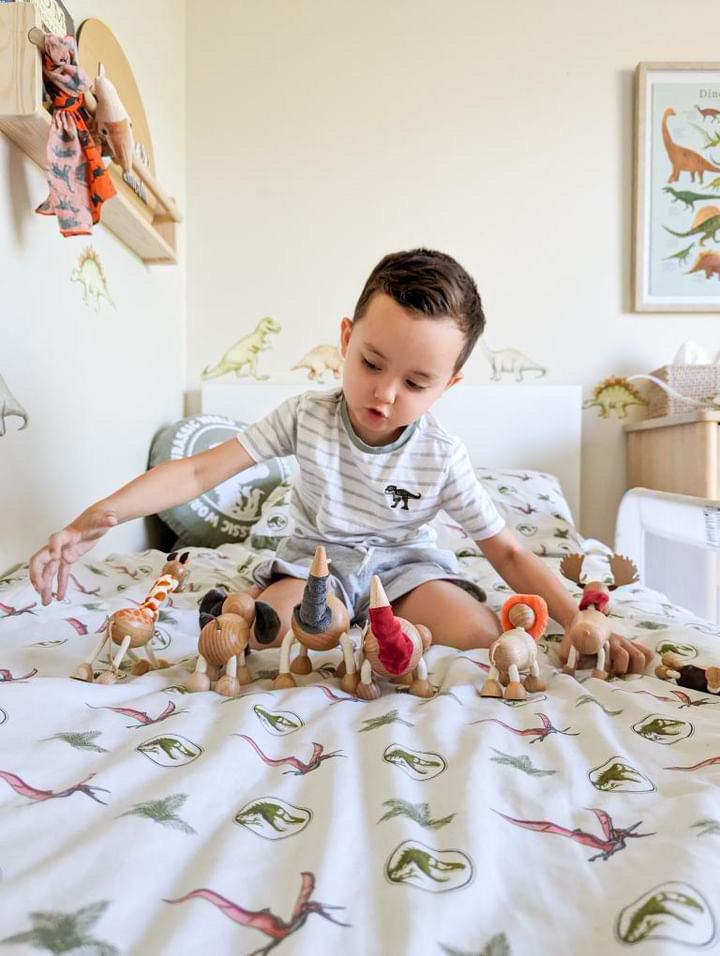
Nobody warned me about this particular feeling.
The one that arrives on a random afternoon when you look at your child — walking, talking, opinionated, hilarious, independent — and feel a sudden ache for who they used to be.
Not regret. Not unhappiness. Something stranger and more specific.
Grief.
Real, legitimate grief — for a version of your child that is gone. For a season of your own life that closed without ceremony, sometime between the last time they reached for your hand automatically, and the morning they no longer needed you to walk them in.
This Is a Real Thing, and It Has a Name
Therapists and child development researchers have a term for this: ambiguous loss. Coined by family therapist Pauline Boss, it describes grief for something that isn't exactly gone — the person is here, growing and thriving — but that has changed in a way that is irreversible.
Your baby is still in your child. But you can't hold him the same way. You can't keep him the same way. And that is genuinely a loss.
Psychologist and author Philippa Perry writes about this beautifully — the way parenting involves a constant process of letting go, even as we hold on. Each stage asks us to release something. And we are rarely given permission to grieve it.
Why We Don't Talk About It
Partly because it feels disloyal to the child in front of us. To say "I miss who you were" can feel like saying "I don't fully love who you are." Which isn't true. But the fear of it being heard that way keeps many parents quiet.
And with boys, there's sometimes an added expectation — that we should be celebrating every step toward independence, every sign of them needing us less. As if grief about it is somehow holding them back.
It isn't. You can be proud of exactly who they're becoming and still miss exactly who they were. Both things are real.
The Grief That Comes With Each Stage
It's not just the baby stage. It's every transition.
- The end of being carried — the last time you picked him up without thinking
- The night he stopped calling out for you in the dark
- The first time he didn't want to hold your hand in public
- The birthday party where he didn't need you to stay
- The conversation he had with his mates instead of you
- The moment you realised he was becoming someone you're only beginning to know
Each of these is a doorway. On the other side is something wonderful. But behind you, the room you're leaving is full of something irreplaceable.
How to Hold Both Things
Name it. Just saying "I feel sad about how fast this is going" releases some of the pressure. You don't have to perform only joy.
Capture the ordinary. The photos you'll want aren't just the milestones. They're the Tuesday afternoon light, the specific way he sat, the thing he said that made you laugh.
Be in this stage. The antidote to grief about what's passing is presence in what's here. Who is this person becoming? What does he love right now? Let that be enough.
Talk to other parents. The Australian Institute of Family Studies and parenting support organisations confirm that parental social connection is one of the strongest protective factors for both parent and child wellbeing. You're not the only one who feels this. It just rarely gets said.
A Note on What Lasts
Children don't remember the packaging. They remember who sat with them while they played.
They remember the Saturday morning when nothing was scheduled. The creature on the shelf that had a name. The small ritual that happened every day.
Give them something beautiful to grow up with — a keepsake that travels with them through every stage. The Barnfields Signature Crate by Anamalz is exactly that: a curated collection of wooden animals designed to be loved, kept, and remembered across all the years of childhood.

Send us a note